28 Jun 2026
Table Tennis Discrepancies Across Asian Circuits: Scanner Integration and Dynamic Staking Models for Global Markets

Table tennis events across Asian circuits generate frequent odds variations because multiple international bookmakers price the same matches using different data feeds and risk models, while regional timing differences in markets like those operated in China, Japan, and South Korea create windows where live odds diverge sharply during rallies and between sets. Observers note that these gaps widen during high-volume periods such as the June 2026 Asian Table Tennis Championships when simultaneous broadcasts reach European and Australian audiences whose bookmakers adjust lines more slowly than their Asian counterparts.
Understanding Discrepancy Patterns in Regional Circuits
Matches in the Chinese Super League and Japanese T-League often feature rapid point sequences that outpace manual monitoring, yet automated scanners track serve percentages, rally lengths, and historical head-to-head data across dozens of operators at once. Data from these systems reveals that discrepancies of 4 to 8 percent appear most consistently in deuce situations and after timeout calls, where one bookmaker may still reflect pre-timeout probabilities while another has already shifted. Researchers at institutions studying sports wagering markets have documented that such variances occur because Asian-based exchanges incorporate real-time player fatigue metrics faster than offshore platforms serving international clients.
Scanner Technology and Its Integration Process
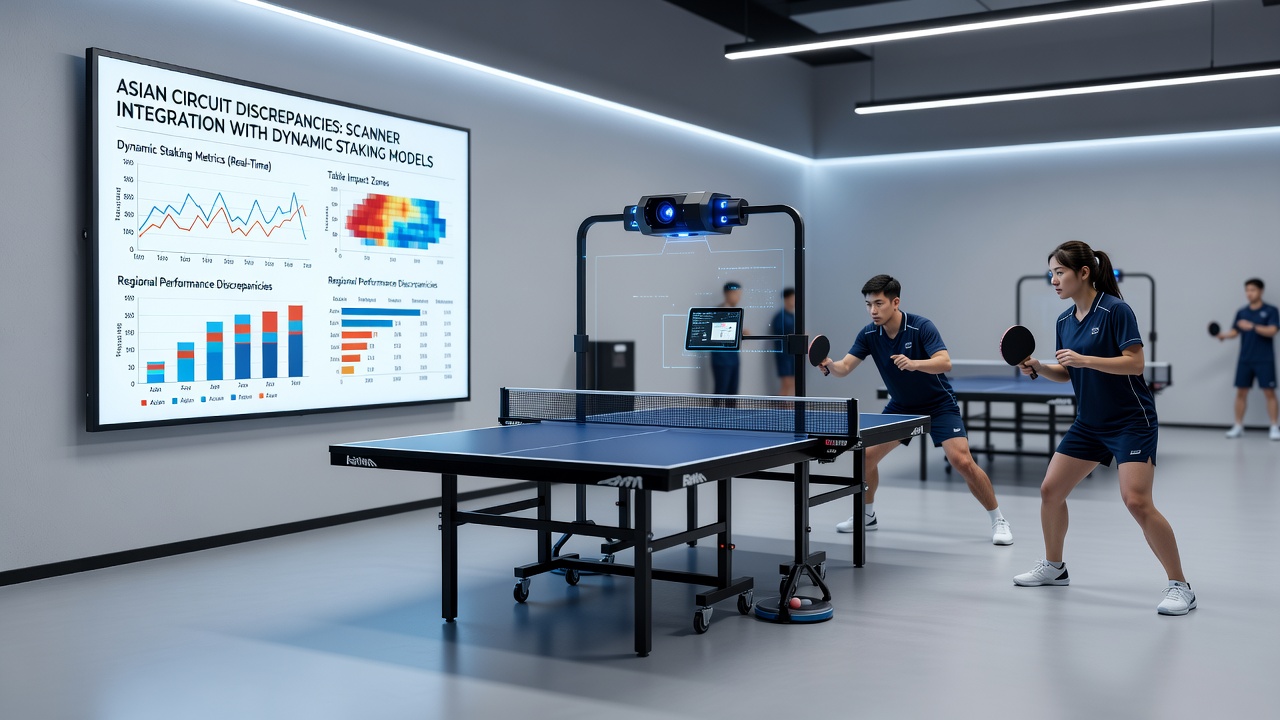
Modern scanners pull odds feeds through application programming interfaces and compare them against baseline models built from past tournament results. When a scanner identifies an edge exceeding a preset threshold it flags the opportunity along with recommended stake sizes calculated from current bankroll parameters. Those who operate these tools across Asian circuits report that integration with dynamic staking requires constant recalibration because liquidity levels fluctuate between daytime Chinese Super League sessions and evening Korean League fixtures. The process links scanner output directly to staking algorithms that scale positions according to remaining bankroll percentage and volatility estimates derived from set-by-set scoring patterns.
Dynamic Staking Models Applied to International Markets
Dynamic staking adjusts wager amounts after each resolved point or set rather than holding fixed positions across an entire match. Models used by professional syndicates allocate smaller fractions during early sets when discrepancies remain narrow, then increase exposure once scanners confirm sustained divergence in later stages. According to findings published in the Journal of Gambling Studies, fractional adjustments tied to live variance reduce drawdown risk compared with static percentage staking when applied to fast-paced sports such as table tennis. Operators who combine these models with scanner alerts typically maintain separate reserve pools for Asian versus European market exposure because settlement times and regulatory hold periods differ markedly between regions.
International syndicates often route stakes through multiple licensed platforms to capture discrepancies that appear only when one Asian bookmaker offers higher odds on the same player than a European counterpart during identical time windows. The approach requires precise synchronization between scanner alerts and staking software so that position sizes update automatically when bankroll totals change after each settled game. In June 2026 several major circuits introduced enhanced data streams that scanners now incorporate within seconds, shortening the average duration of exploitable gaps from forty-five seconds to under twenty.
Regulatory Context and Market Access Considerations
Access to Asian circuit odds for international participants depends on licensing frameworks maintained by bodies such as the Nevada Gaming Control Board and Australia's state regulatory agencies, each of which imposes distinct reporting requirements on operators handling live table tennis markets. These frameworks influence how quickly bookmakers can adjust lines after scanner-driven arbitrage activity becomes visible in aggregated data. Industry reports from the Canadian Gaming Association indicate that cross-border liquidity providers have increased their participation in Asian table tennis events because scanner technology allows faster identification of pricing inconsistencies than manual methods once permitted.
Practical Implementation Across Time Zones
Syndicates running scanner-staking combinations maintain server infrastructure distributed across multiple continents so that alerts generated during Asian daytime sessions reach teams operating in European and American time zones without delay. The workflow connects scanner output to staking interfaces that apply Kelly-derived fractions adjusted for current match volatility, ensuring that total exposure remains within predefined bankroll limits even when multiple discrepancies appear simultaneously across different circuits. Observers note that successful implementations track both the magnitude and the duration of each discrepancy, discarding fleeting gaps that close before stakes can be placed.
Conclusion
Scanner integration with dynamic staking models provides structured methods for addressing odds discrepancies that arise routinely in Asian table tennis circuits when international bookmakers price identical events differently. Data streams available in June 2026 have accelerated the speed at which these tools operate, yet the core requirement remains continuous alignment between scanner detection thresholds and staking formulas that respect regional liquidity and regulatory constraints. Organizations that maintain such systems continue to refine their parameters as new tournament data becomes available from circuits in China, Japan, and South Korea.