14 Jul 2026
Pre-Season Preparation: How Aggregated Odds Data Shapes Bankroll Allocation for Emerging League Seasons
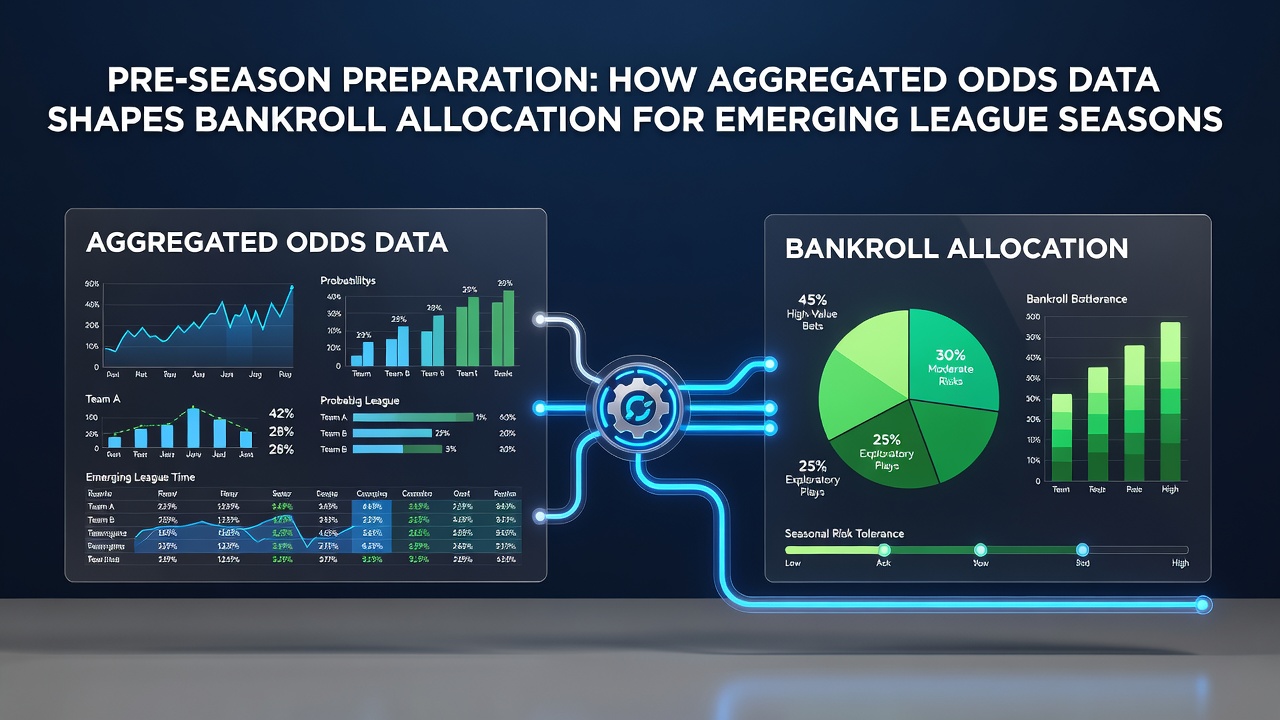
Pre-season preparation in sports betting revolves around the systematic collection and analysis of odds from numerous bookmakers, which creates aggregated datasets that inform how bettors distribute their available capital before new league campaigns begin. Observers note that these compiled figures reveal patterns in pricing across emerging seasons, allowing for measured allocation decisions rather than reactive adjustments once matches start.
Compiling Odds from Multiple Sources
Aggregation begins with pulling lines from dozens of operators simultaneously, then calculating medians, means, and standard deviations for each market. Researchers at institutions like the University of Nevada's gaming studies program have tracked how such datasets reduce individual bookmaker bias, particularly for leagues where early-season fixtures carry elevated uncertainty. In July 2026, as European football campaigns and North American basketball preparations accelerate, these compilations highlight discrepancies that signal potential value or risk concentrations in specific divisions.
Those who monitor this process find that variance metrics often spike in newly promoted sides or expansion franchises, prompting tighter capital controls until more results accumulate. Data indicates that bettors who integrate these signals early tend to spread exposure across correlated and uncorrelated markets to maintain overall portfolio balance.
Translating Data into Allocation Frameworks
Bankroll distribution follows directly from the aggregated outputs, where markets showing tight clustering across books receive proportionally larger commitments while those with wide spreads trigger smaller stakes or avoidance. Industry reports from the American Gaming Association emphasize that operators themselves rely on similar multi-source feeds to set initial limits, which in turn influences how individual participants calibrate their own exposure ahead of opening weekends.
One approach involves weighting allocations by historical volatility derived from prior seasons, adjusted for roster changes and fixture difficulty. For instance, emerging leagues with heavy fixture congestion in the first month see reduced percentages directed toward totals markets, while moneyline positions on established teams absorb more of the capital pool. This method connects raw odds consensus directly to percentage-based staking rules that adapt as fresh data arrives.
Regional Variations in 2026 Pre-Season Patterns
European markets demonstrate different aggregation behaviors compared with Asian or Australian operators during July windows, largely because of timezone-driven liquidity differences and regulatory distinctions. Figures from the Australian Communications and Media Authority show that cross-border odds feeds often produce narrower ranges for popular competitions, which encourages slightly more aggressive early allocation in those segments. Meanwhile, lower-profile leagues maintain broader spreads that necessitate conservative positioning until mid-season stabilization occurs.
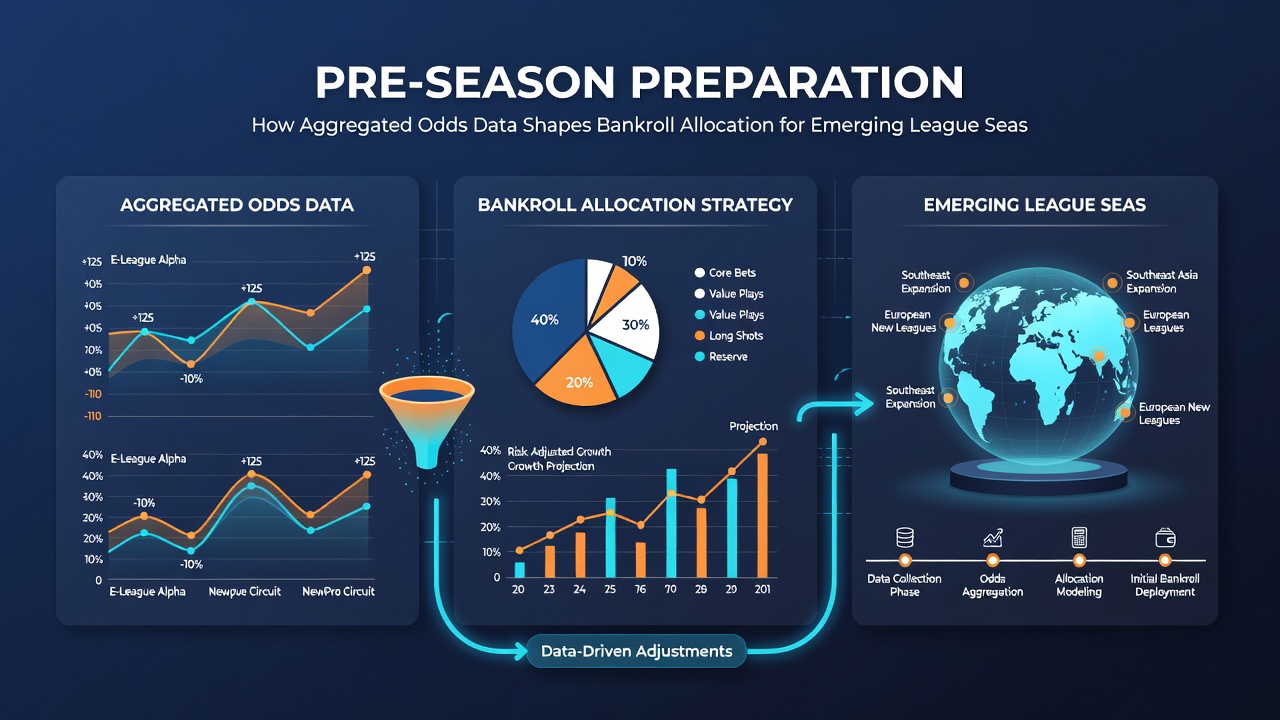
Observers tracking these regional differences note that bettors frequently adjust exposure based on the reliability scores assigned to each data source. Higher-weighted books pull the aggregated line closer to their output, which then determines whether a given market qualifies for standard allocation or receives a reduced share to account for potential movement once official fixtures begin.
Dynamic Adjustments Before Kickoff
Even after initial allocations are set, ongoing aggregation continues through the final pre-season weeks. Fresh injury reports, training ground updates, and betting market shifts feed back into the dataset, prompting rebalancing that protects capital without requiring complete overhaul. Studies from Canadian research groups focused on quantitative gambling analysis reveal that portfolios refreshed weekly during July maintain steadier drawdown profiles once regular season play commences.
Allocations for correlated events, such as multiple matches within the same league round, receive particular scrutiny because simultaneous outcomes can amplify variance. Aggregated data helps identify when bookmakers diverge on related props, enabling bettors to cap total exposure across those positions rather than treating them as isolated opportunities.
Conclusion
Pre-season bankroll allocation guided by aggregated odds data provides a structured pathway for navigating emerging league seasons with measurable inputs rather than intuition alone. By compiling multi-bookmaker consensus, applying variance filters, and adjusting percentages in response to regional and temporal signals, participants establish frameworks that evolve with incoming information through July 2026 and beyond. This process connects raw pricing intelligence directly to capital distribution decisions that support sustained participation across fluctuating market conditions.