6 Aug 2026
European Snooker Markets Show Odds Divergence via Aggregation Technology
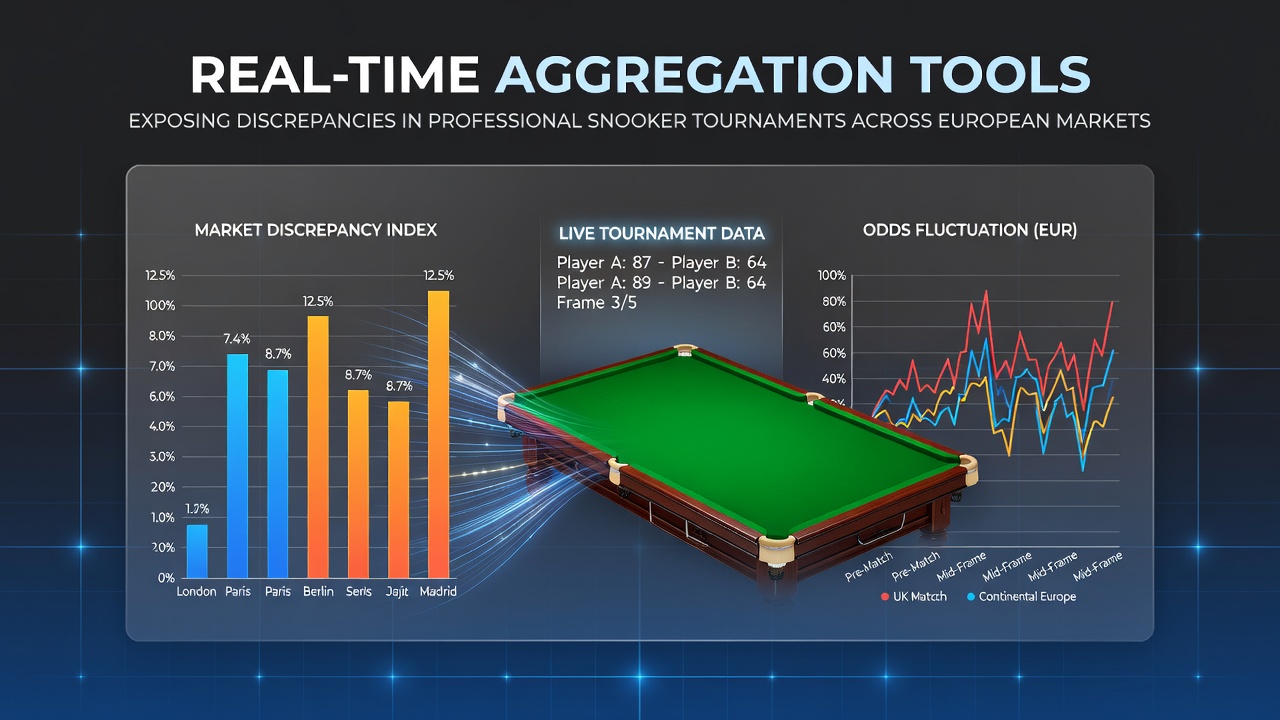
Professional snooker events across Europe generate substantial betting activity each season, and real-time aggregation platforms compile odds from dozens of operators to identify pricing inconsistencies in match outcomes, frame handicaps, and total points lines. These systems pull data continuously from bookmakers operating in Germany, France, Spain, and other jurisdictions, allowing rapid comparison of implied probabilities during ongoing frames.
Platform Mechanics and Data Flow
Aggregation tools operate by scraping or receiving API feeds from licensed operators, then normalizing the figures into a single interface that highlights spreads between the highest and lowest available prices on identical selections. When one bookmaker lists a player at 1.85 for a best-of-11 match while another posts 1.92 for the same outcome, the difference appears instantly on the aggregator screen, and automated alerts notify users monitoring that fixture. European markets maintain separate regulatory frameworks, so operators adjust margins according to local tax structures and competition levels, which creates the variations these platforms detect.
Snooker-Specific Variables Influencing Discrepancies
Snooker matches feature long durations and multiple scoring segments, meaning in-play odds shift after every break and safety exchange. Real-time tools track these micro-movements across bookmakers simultaneously, revealing moments when one operator lags in updating a player's win probability after a century break. Frame-by-frame data from tournaments such as the European Masters or the German Open feed into the aggregators, and observers note that slower-updating sites occasionally retain outdated lines for several minutes while competitors adjust. In August 2026 the calendar included additional ranking events on the continent, increasing the volume of fixtures processed by these systems each week.
Market Coverage Across Jurisdictions
Operators licensed in Malta, Gibraltar, and various EU member states contribute feeds to the major aggregators, and each jurisdiction applies distinct responsible-gambling requirements and tax rates that influence margin levels. Data from the European Gaming and Betting Association shows participation rates in regulated online markets have risen steadily, expanding the number of active price points available for comparison during any given snooker session. Platforms therefore capture a broader sample of European pricing than individual users could compile manually.
Case Examples from Recent Events
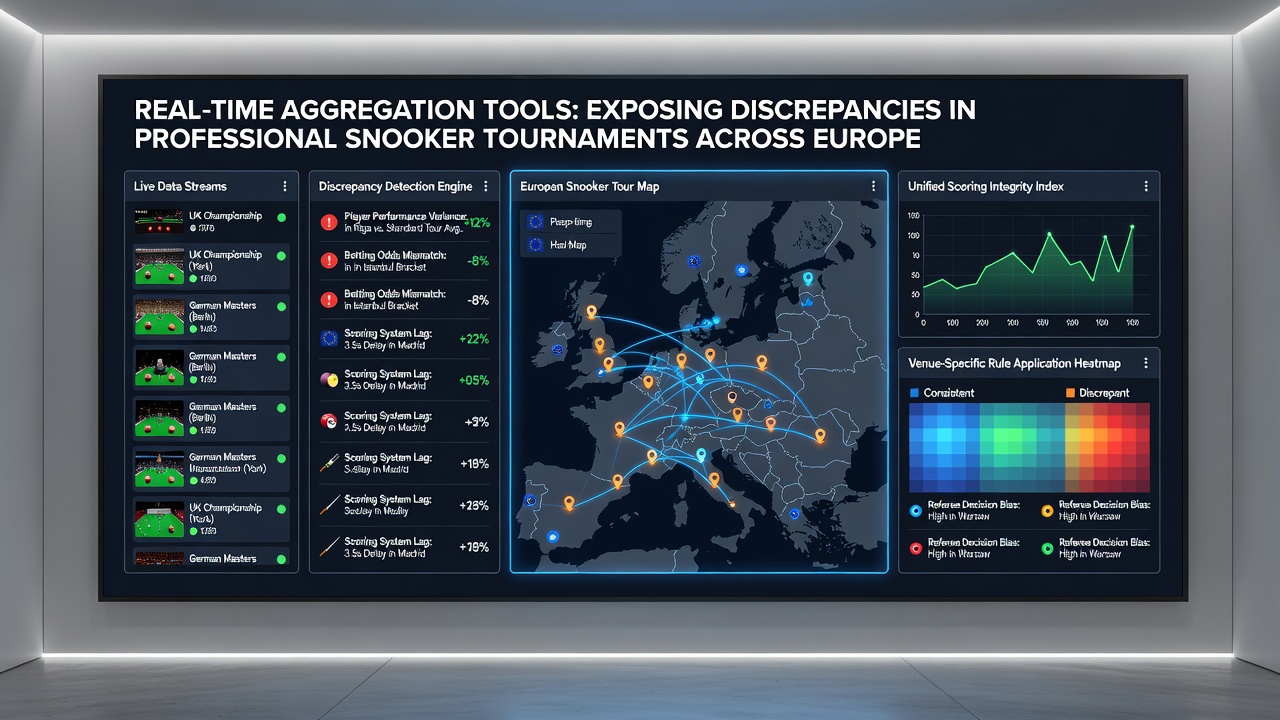
During a quarter-final at the 2025 European Snooker Open, one aggregator recorded a 0.12 difference in decimal odds on the underdog to win the match, with the gap persisting for nearly eight minutes before the higher-priced operator corrected its line. Similar patterns appeared in best-of-17 encounters at ranking events held in Belgium and the Netherlands, where total-points markets diverged after extended breaks. Researchers at the University of Lausanne documented comparable timing lags in other sports, and their findings align with patterns now visible in snooker data feeds.
Regulatory Context and Platform Usage
European authorities require licensed operators to maintain fair pricing practices, yet teh rules do not mandate identical odds across all sites. Aggregation services therefore function within existing frameworks while surfacing genuine market differences that arise from independent risk management decisions. Industry reports from the European Betting and Gaming Association indicate continued investment in automated monitoring tools by both operators and third-party developers, driven by the need to respond quickly to line movements in fast-paced cue sports.
Technical Requirements for Effective Aggregation
High-frequency data ingestion, low-latency normalization algorithms, and robust error-checking routines form the core of these platforms. Developers integrate historical performance statistics for each professional player alongside current form indicators, enabling the software to flag when an offered price deviates significantly from expected value ranges. European users access these interfaces through web dashboards or mobile applications that refresh every few seconds during tournament sessions.
Conclusion
Real-time aggregation platforms continue to map pricing variations across European snooker markets by compiling live feeds from multiple operators and surfacing inconsistencies as they occur. The combination of long match formats, frequent in-play updates, and differing local regulations sustains the conditions under which these discrepancies appear, and the technology provides structured visibility into those movements without requiring manual cross-referencing by individual observers.